
Taking on the challenge of quantifying massive and complex risks.
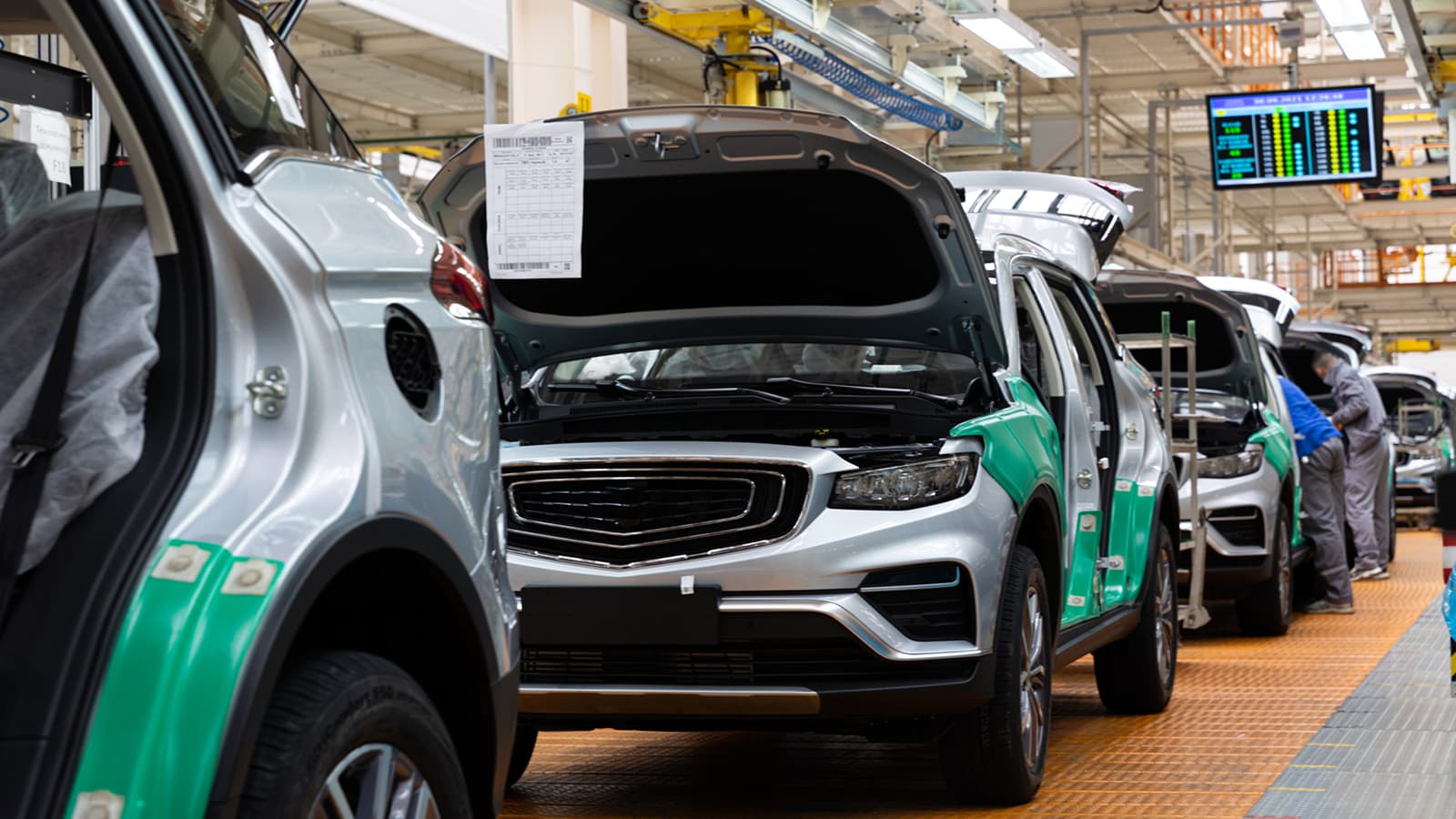
In manufacturing, the risk of product recalls, which involve voluntary product retrieval, is a serious risk that can fundamentally shake the foundations of a business. Because a single component is used in various finished products, defects in the upstream supply chain, up to the OEM, can be a fatal trigger.
Our company has a proven track record of quantitatively evaluating recall risks for automotive parts manufacturers by classifying them by design lot and manufacturing lot, and assessing the amount of risk based on how much of each lot is incorporated into the final product, as well as the probability of defects occurring and the recall plan in the event of defects being discovered. This assessment methodology, built through close information sharing and repeated discussions with our customers, is something we are proud to say is the best in the industry.
We derive the theoretical value of net insurance premiums using our proprietary risk model.
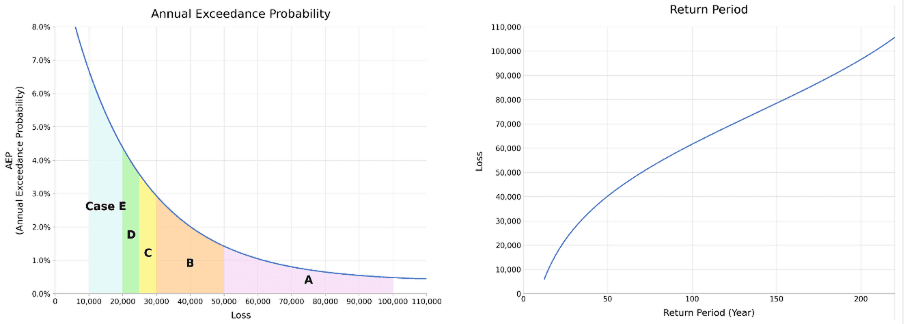
Based on a database of recall cases spanning over 50 years from the NHTSA, a U.S. Department of Transportation, which is said to account for two-thirds of all automobile recalls worldwide, our company has developed a unique risk model using statistical methods. Using this risk model, we can freely set various parameters such as the estimated recall cost per vehicle and the cost-sharing ratio with the OEM, calculate AAL (Annual Average Loss) and AEP (Annual Exceedance Probability), and derive a theoretical net insurance premium corresponding to the scope of insurance coverage.
Limited recall insurance capacity is sourced from the global market.
Following the large-scale recall of automotive airbags in the 2010s, insurance companies worldwide have remained cautious about underwriting recall insurance for automotive parts, particularly safety devices.
Our company has a proven track record of creating recall insurance policies with coverage of approximately 10 billion yen for a leading domestic safety device manufacturer. This was achieved by leveraging the maximum capacity available from Japanese non-life insurance companies, as well as securing capacity from a limited number of insurance companies in the London (Lloyd's) market. In particular, in marketing in the London market, conducting roadshows based on English-language risk reports and risk model analysis is key to success.